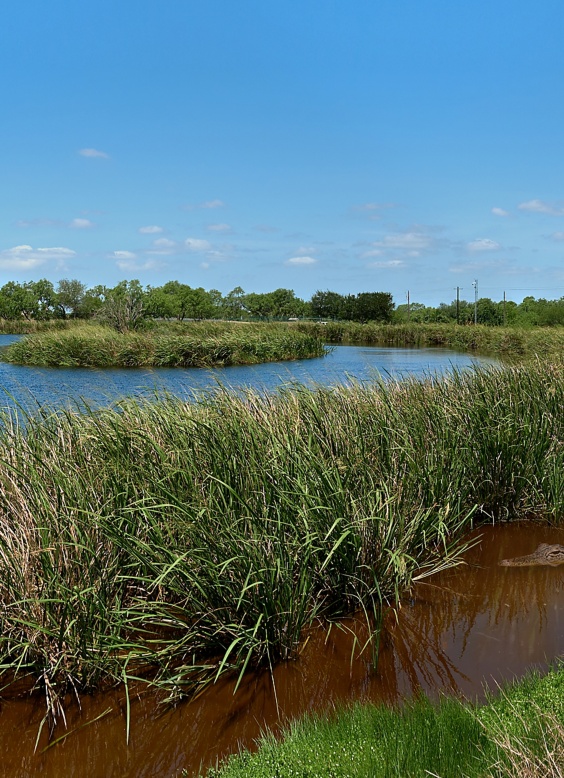
The INVISTA Victoria wetlands
A place to learn and connect with nature
Welcome to the Victoria wetlands, a vibrant ecosystem and outdoor environmental classroom managed by INVISTA. Dedicated to fostering environmental stewardship and providing hands-on learning experiences, the wetlands serve as a vital community resource where nature thrives alongside INVISTA’s daily operations. We regularly invite schools, community groups and individuals to explore the rich biodiversity and ecological value of this unique natural habitat.
About the wetlands
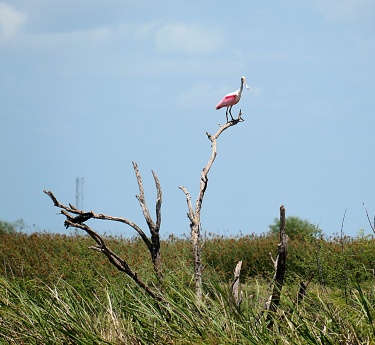
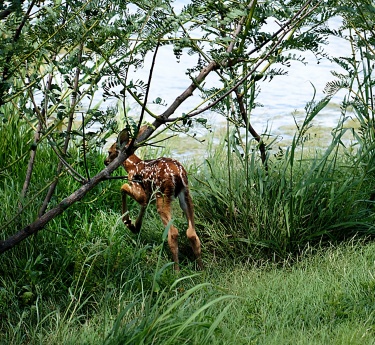
This thriving, 53-acre ecosystem features 2.5 miles of nature trails and is home to hundreds of species of plants and animals, including more than 200 types of birds, 65 different water-dwelling plants, 25 species of reptiles and nine species of fish. It plays a vital role in natural filtration, with more than 1 billion gallons of treated water from INVISTA’s on-site biological treatment plant flowing through it annually, further cleaning the water to state standards before its return to the Guadalupe River. This cycle ensures the wetlands remain a critical refuge for wildlife even during periods of drought.
Educational opportunities
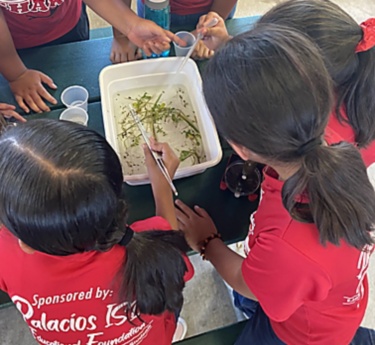
Our wetlands provide an outdoor classroom experience where students can engage in hands-on activities aligned with Texas Essential Knowledge and Skills (TEKS). The curriculum is designed to offer immersive experiences that allow students to observe, identify and understand the plants and animals that coexist in this habitat. Some of the lessons available at our Wetland Education Center that correlate with TEKS include:
- Soil dynamics
- Microbiology
- Water chemistry
- Entomology
- Zoology
- Animal tracks and signs
- The study of flora
- Application of the scientific method
Come out and see us
Whether you're a teacher booking a field trip or a nature enthusiast eager to explore, you're welcome at our wetlands.
Know before you go
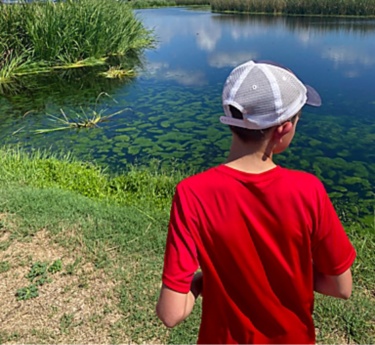
To ensure a safe, enjoyable experience for all visitors, please review the following guidelines before visiting the wetlands.
What to wear
- Comfortable clothes
- Walking or hiking shoes (closed-toe shoes required; no sandals)
- Hat
- Sunscreen
What to bring
- A curious mind
- Please print and complete a liability release form for your student and for yourself
Recommended
- Water bottle (especially in warm weather)
- First-aid kit (teachers are responsible for this and administering first aid)
Optional
- Insect repellent
- Binoculars
- Field guides
- Camera
Wetland rules
Natural environments come with natural risks. To minimize the chance of injury to yourself or others, please adhere to these rules:
- Do not run
- Do not climb on anything or stand on railings
- Do not wander from your group
- Do not harass the animals
- Do not attempt to capture any animal; this includes insects or arachnids known to sting or bite
- Stay out of the water
- Stay on designated trails; do not wander into high grass or brush
- Take care of items loaned to you
- No food, soda, chewing gum or candy allowed outside the lunchroom
- No student purses or backpacks are permitted in the wetlands
- Follow safe laboratory and field procedures
Remember
It’s everyone’s responsibility to preserve plant and animal life. Leave nothing but footprints — take nothing but memories and pictures.